ECEC refers to education and care that supports a child’s holistic development social, emotional, cognitive and physical, in ways that meet each child’s needs and build foundations for lifelong learning and wellbeing.
You’ll also see it written as ‘early childhood education and care , which means the same thing: a professional approach to nurturing development, not ‘just babysitting’.
What ages does Early Childhood Education and Care cover?
Most ECEC roles and qualifications focus on children from birth to around five years the years before full-time school starts.
In regulated services, educators support children’s learning, development and wellbeing within an Approved Learning Framework (like the Early Years Learning Framework).
Where do early childhood educators work?
ECEC happens across a range of settings, including long day care sessionalkindergartenand family day care.
The national qualification for many entry-level roles also recognises these as common workplaces.
Why the early years matter so much
The early years are critical because children’s brains are highly responsive to learning and early experiences shape lifelong learning and wellbeing.
Quality ECEC supports children to learn best through play-based experiences, guided by qualified educators who observe, plan, implement and reflect on learning and development.
Holistic learning: more than letters and numbers
If you’ve wondered ‘what is early childhood development education’, think of it as supporting the whole child — movement, language, relationships, emotions, curiosity and confidence.
Educators intentionally create experiences that support children’s play and learning and guide development in ways that are age-appropriate and responsive to individual needs.
Why Early Childhood Education Matters
It shapes learning, communication and wellbeing
ECEC supports children’s development across multiple domains, with relationships and trust central to how children learn and thrive.
Educators work relationally and partner with families to support children’s learning, development and wellbeing.
There’s strong demand for qualified educators (Australia-wide)
Across Australia, ECEC is a major sector the 2024 National Workforce Census reported 268,050 workers at ECEC services.
Government support and policy settings also shape demand, with ECEC delivered by providers in states/territories and subsidised by the Australian Government (including support through the Child Care Subsidy).
The job needs real skills (and people skills)
Working in childcare environments means working with diverse families, cultures, languages and communities, and being able to communicate respectfully and professionally.
Quality programs also encourage children to connect with the natural environment, and this kind of learning is reflected in national training outcomes for educators.
Safety, inclusion, frameworks and professionalism matter
ECEC is regulated and guided by national expectations, through The National Quality Framework which is why training includes legal and ethical obligations, child safety, and working effectively in education and care settings.
It’s also why core preparation commonly includes workplace health and safety and first aid in an education and care setting.
What You Learn When You Study Early Childhood
Understanding child development & learning
You learn how children grow and develop, and how to support learning using an Approved Learning Framework.
You also build skills to observe children to inform practice, and to support holistic learning and development through intentional teaching experiences.
Creating safe, supportive environments
You’ll learn about children’s health, safety and wellbeing, plus workplace health and safety because safe practice is non-negotiable in early learning settings.
Training also includes recognising and responding to children and young people at risk, and meeting legal and ethical obligations in children’s education and care.
Play-based learning & educational experiences
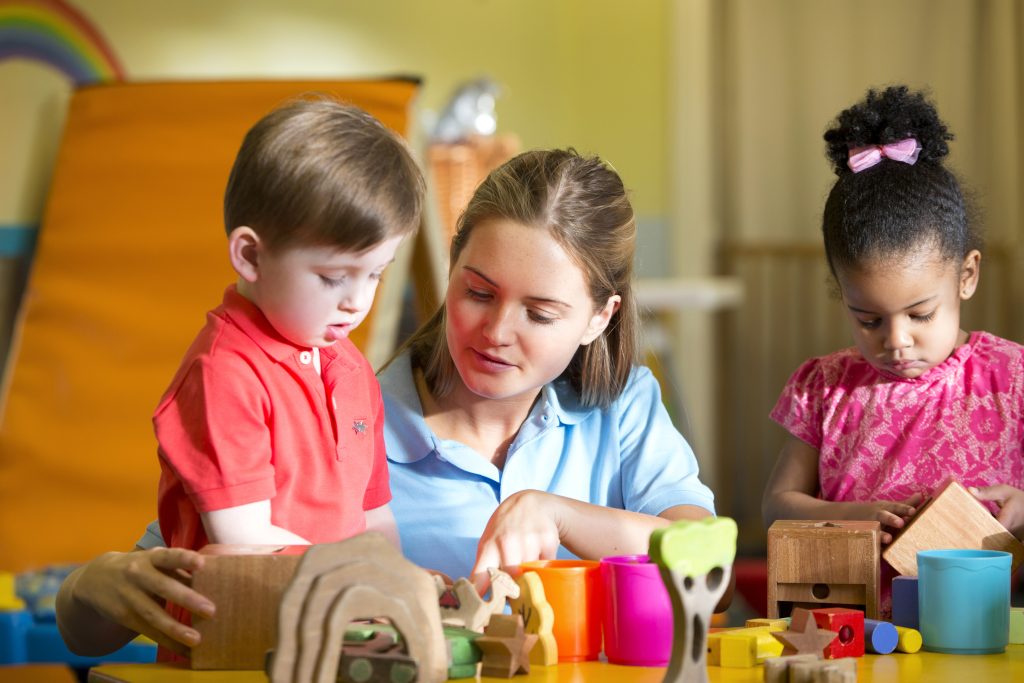
Play isn’t a break from learning, it is learning, and quality education amplifies children’s natural skills through play-based experiences.
In training, this shows up in units focused on providing experiences to support children’s play and learning and guiding practice through Approved Learning Frameworks.
Working with families and colleagues
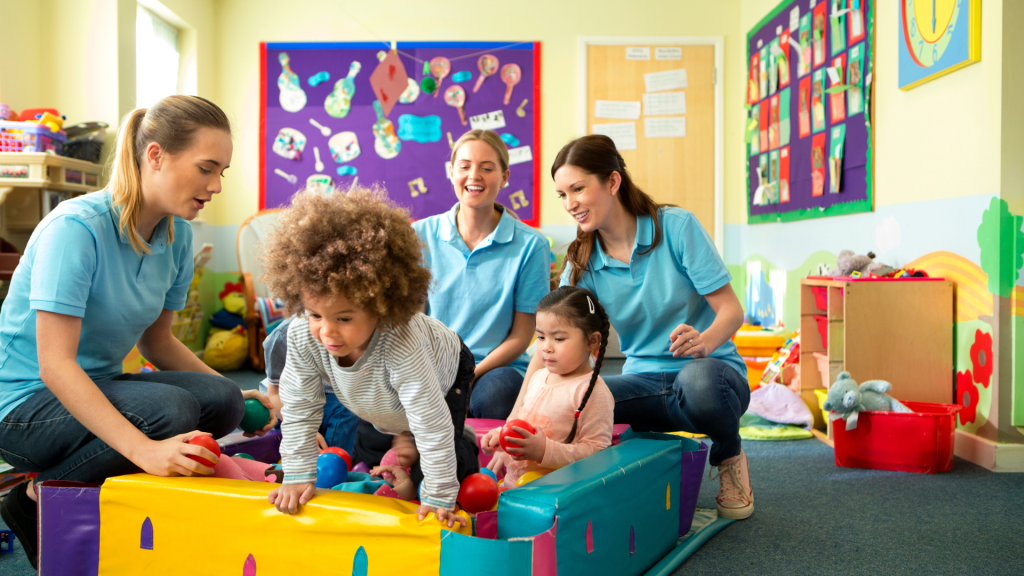
ECEC is a team sport, and educators work in partnership with families while collaborating with colleagues to support children consistently.
That’s why qualifications include developing positive and respectful relationships with children, working effectively in children’s education and care, and working with diverse people.
The practical component (yes, it’s essential)
To achieve CHC30125 individuals must complete at least 160 hours of work in a regulated children’s education and care service in Australia.
What Do Early Childhood Educators and Carers Do?
A realistic ‘day in the life’
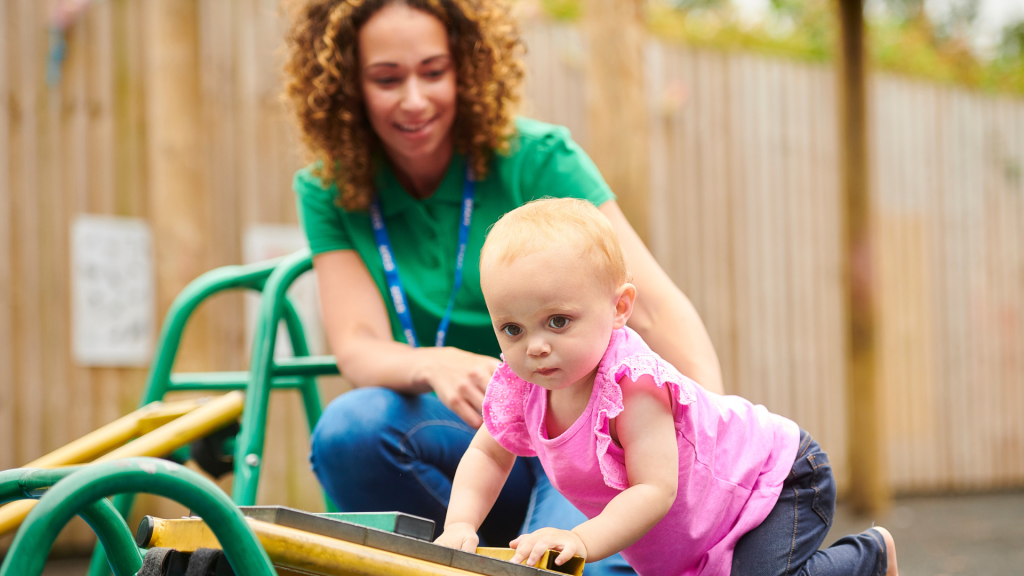
Early childhood educators support children through routines such as arrivals and departures, meal times, sleep and rest, transitions and play while maintaining safe supervision and warm, responsive interactions.
Educators also observe children’s learning, plan and reflect on experiences to extend development through everyday moments.
Supporting development in practical ways
This includes building communication and language through conversation, stories and songs, use of the natural environment and supporting motor skills through movement and hands-on play.
Educators make thoughtful judgements about when to step back and observe and when to introduce a question or ‘provocation’ that deepens children’s thinking and learning.
Creating safe, nurturing, structured routines
A big part of the role is maintaining environments that support children’s health, safety and wellbeing including hygiene practices and safe setup of spaces.
It also means following legal, ethical and child safety responsibilities and working within service policies and procedures.
Working with families
Educators partner with families to understand and support each child, recognising families as children’s first educators.
That partnership might include daily chats at drop-off, shared goals, and respectful communication that supports a child’s wellbeing and learning.
Career Pathways After Completing ECEC Studies
Where a Certificate III can take you
A Certificate III is often the entry point to roles in regulated early learning services, supporting children’s wellbeing and development as part of a team.
From there, many people continue into further study and leadership pathways over time, depending on the role and service requirements.
Common job outcomes
Early Childhood Educator Assistant: Support qualified educators with routines, play experiences and supervision while building confidence on the floor.
Kindergarten Assistant: Work alongside kindergarten teachers/educators to support group learning, transitions and engagement through play.
Family Day Care Educator: Support small groups of children in an approved home environment, often with strong family partnerships.
Certified Nanny (where applicable): Apply your skills in home-based roles, supporting routines, play and wellbeing with families privately (requirements vary by employer and state).
Conclusion
Putting it all together
So, what is early childhood education and care? It’s a professional, play-based and relationship-driven sector that supports children’s learning, development and wellbeing during the years that matter most.
Studying ECEC teaches practical, job-ready skills like supporting holistic development, creating safe environments, working with diversity, and using learning frameworks all backed by real placement experiences.
If you’re in Melbourne (or planning to be) and want a qualification that opens doors to meaningful work with children, a Certificate III in Early Childhood Education and Care is a strong place to start.
Early Childhood Australia — How to talk about ECEC (2025): https://www.earlychildhoodaustralia.org.au/wp-content/uploads/2025/11/ECA-How-to-Talk-about-ECEC-Brochure-A4-25112025.pdf
Australian Government Department of Education — Early childhood: https://www.education.gov.au/early-childhood
Australian Government Department of Education — 2024 National ECEC Workforce Census: https://www.education.gov.au/early-childhood/about/data-and-reports/national-workforce-census/2024-national-early-childhood-education-and-care-workforce-census
RMIT — Graduate Diploma in Early Childhood Education: https://www.rmit.edu.au/study-with-us/levels-of-study/postgraduate-study/graduate-diplomas/graduate-diploma-in-early-childhood-education-gd204